
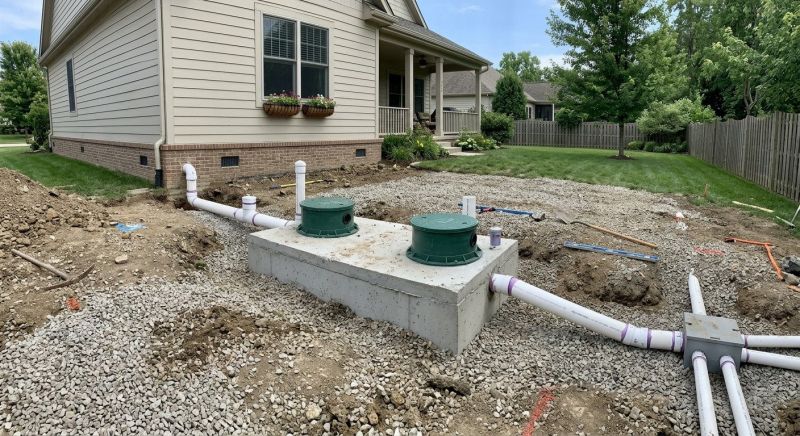
Septic System Relocation in Denver, CO
Septic system relocation services involve moving an existing septic tank and drain field to a new location on a property. This type of project is often necessary when a homeowner plans to build a new structure, expand an existing one, or change the layout of their property. The process includes careful planning to ensure the new system complies with local regulations, proper excavation, and installation of the septic components in a way that maintains functionality and longevity. Property owners typically want to understand the scope of work, the potential impact on their landscape, and any permits or inspections required before proceeding.
Before requesting septic system relocation services, property owners should assess the feasibility of moving the system and consider factors such as soil conditions, property layout, and access for construction equipment. It’s also important to understand the approximate costs involved and the timeline for completion. Consulting with experienced professionals can help clarify what is involved in relocating a septic system and ensure the new installation meets all necessary standards for safety and performance.
Many property owners in Denver, CO look into Septic System Relocation for repairs, replacements, upgrades, and appearance-related improvements.
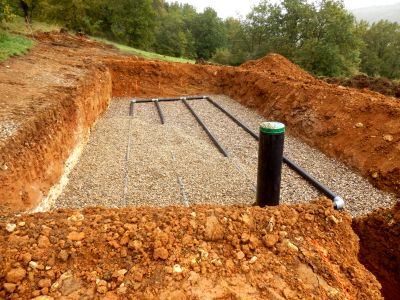
Septic System Relocation Planning
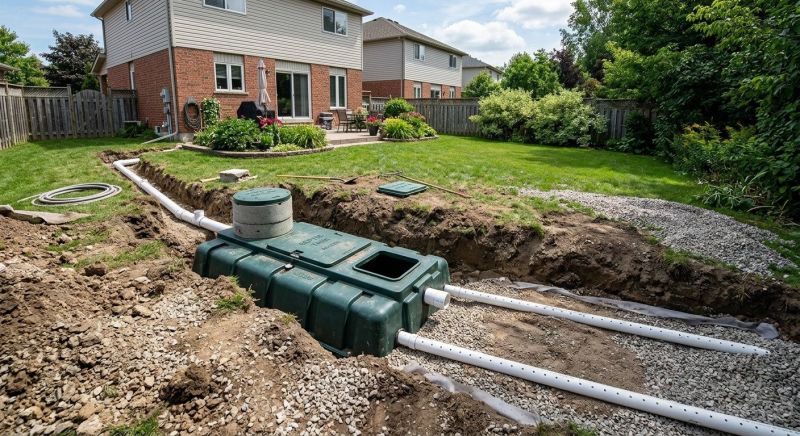
Proper planning ensures the new location meets all safety and regulatory requirements for septic systems.
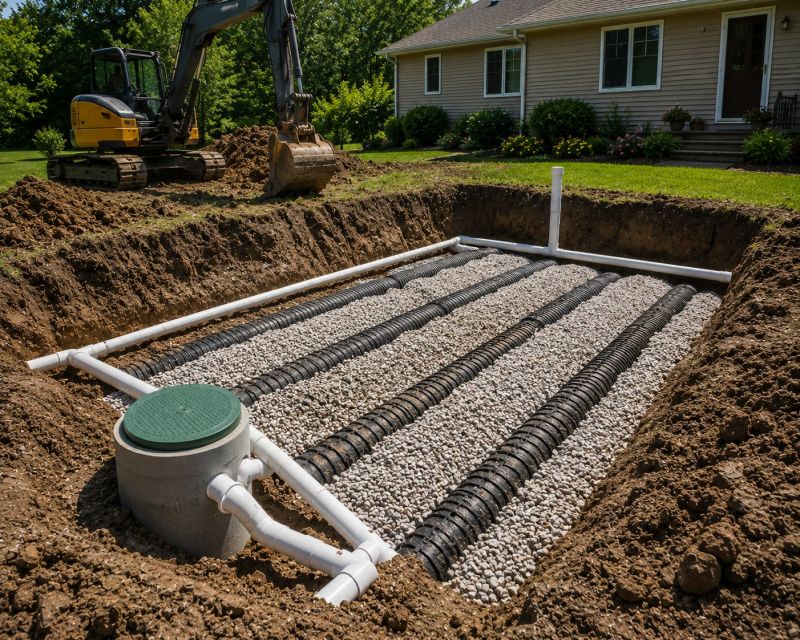
Site Assessment And Preparation
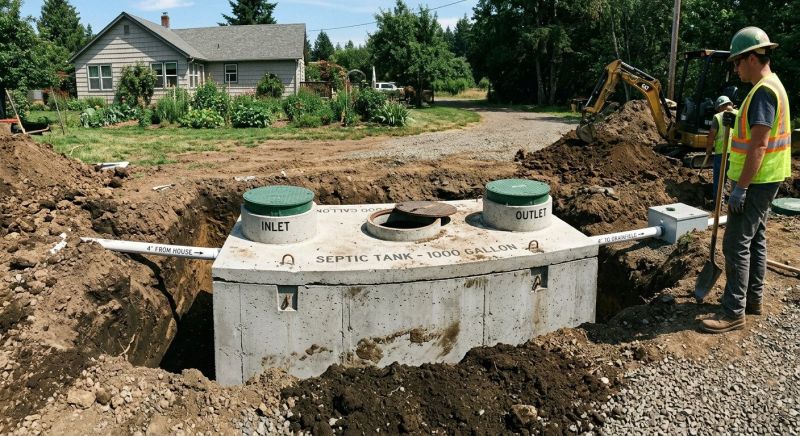
Evaluating soil conditions and site layout is essential for a successful septic system move.
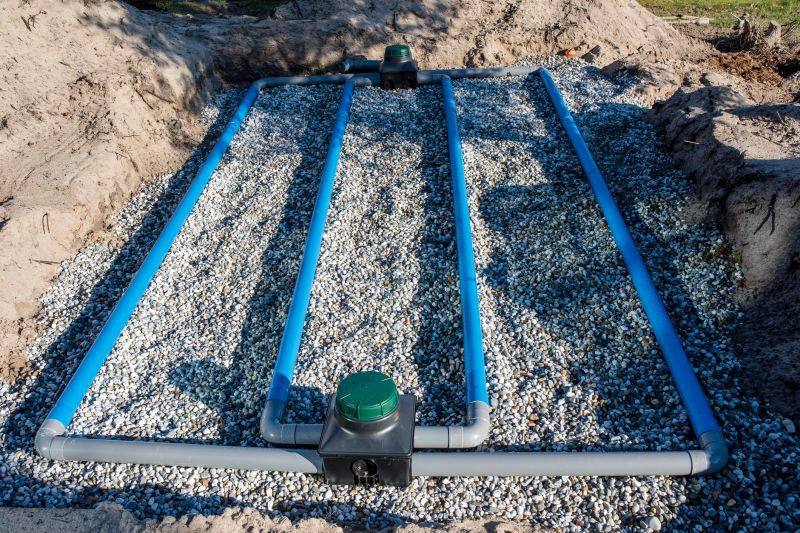
Installation And Compliance
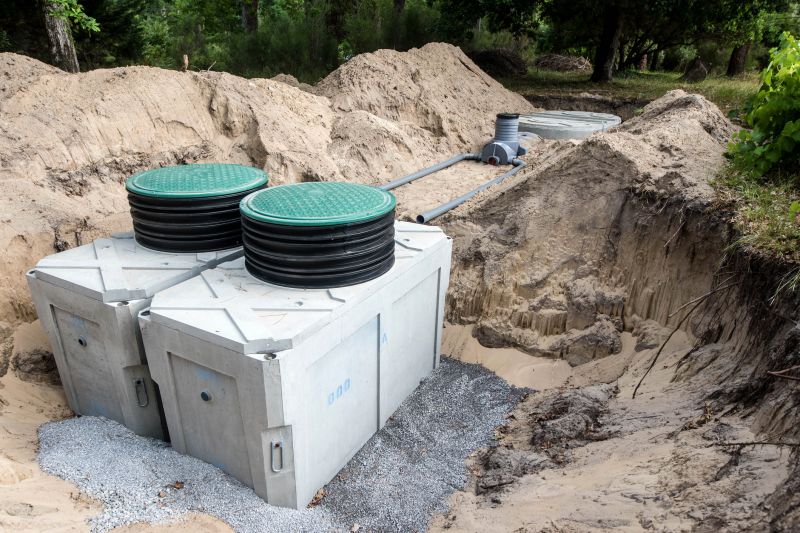
Relocating a septic system involves careful installation to ensure reliable operation and adherence to local codes in denver, co.
Septic System Relocation in Denver, CO

Septic system relocation services involve moving an existing septic tank and drain field to a new location on a property. This type of project is often necessary when a homeowner plans to build a new structure, expand an existing one, or change the layout of their property. The process includes careful planning to ensure the new system complies with local regulations, proper excavation, and installation of the septic components in a way that maintains functionality and longevity. Property owners typically want to understand the scope of work, the potential impact on their landscape, and any permits or inspections required before proceeding.
Before requesting septic system relocation services, property owners should assess the feasibility of moving the system and consider factors such as soil conditions, property layout, and access for construction equipment. It’s also important to understand the approximate costs involved and the timeline for completion. Consulting with experienced professionals can help clarify what is involved in relocating a septic system and ensure the new installation meets all necessary standards for safety and performance.
Many property owners in Denver, CO look into Septic System Relocation for repairs, replacements, upgrades, and appearance-related improvements.
Common Septic System Relocation Jobs
Septic System Relocation - services involve moving an existing septic system to a new location on the property.
Site assessment and planning - ensures the new site meets local codes and is suitable for septic installation.
Excavation and site preparation - includes digging and preparing the area for the new septic tank and drain field.
Septic system installation - involves installing the septic tank, piping, and drain field in the new location.
Permitting and inspections - ensures the relocation complies with local regulations and passes necessary reviews.
Restoration and cleanup - includes restoring the site and ensuring proper functioning of the relocated system.
Septic System Relocation Questions
Why would someone need to relocate a septic system? Septic systems may need to be moved due to property development, landscaping, or new construction projects that alter the original installation site.
What property considerations are important for septic system relocation? Factors such as soil conditions, property layout, and proximity to water sources influence the feasibility and planning of a septic system move.
What types of projects typically involve septic system relocation? Common projects include expanding a property, installing new structures, or addressing issues with the current system location.
What should property owners know before starting a septic system relocation? Proper site assessment and understanding local regulations are essential for a smooth and compliant relocation process.
Request Septic System Relocation in Denver, CO
Use the quote form on this page to share the basics of your project and request more information for the type of work you need.