
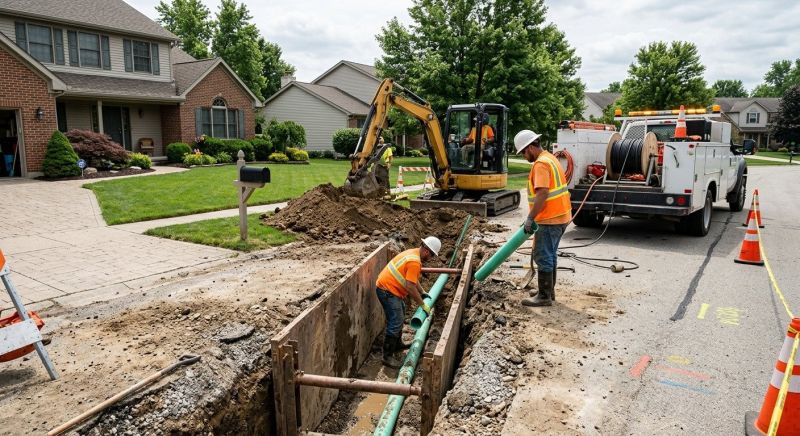
Sewer Repair in Naperville, IL
Sewer repair services involve diagnosing and fixing issues within a property's underground sewer system. These projects typically include addressing broken or cracked pipes, blockages caused by tree roots or debris, leaks, and pipe collapses. Properly functioning sewer lines are essential for the safe and efficient removal of wastewater from a home or property. Homeowners often request sewer repairs when experiencing slow drains, foul odors, backups, or visible signs of damage to sewer access points.
Before requesting sewer repair services, property owners should understand the scope of the problem, including its location and severity. It’s helpful to know if the issue is isolated to a specific drain or affects the entire sewer line. Additionally, understanding the types of repair options available-such as pipe lining, replacement, or excavation-can aid in making informed decisions. Clear communication of the symptoms and any recent changes in plumbing performance will assist in determining the most appropriate solution for the property’s needs.
Many property owners in Naperville, IL look into Sewer Repair for repairs, replacements, upgrades, and appearance-related improvements.
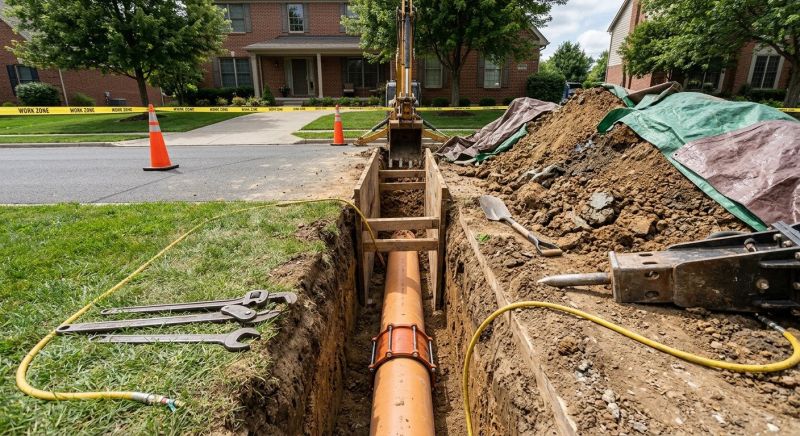
Signs Of Sewer Issues
Homeowners in naperville may notice slow drains, foul odors, or frequent backups indicating sewer problems.
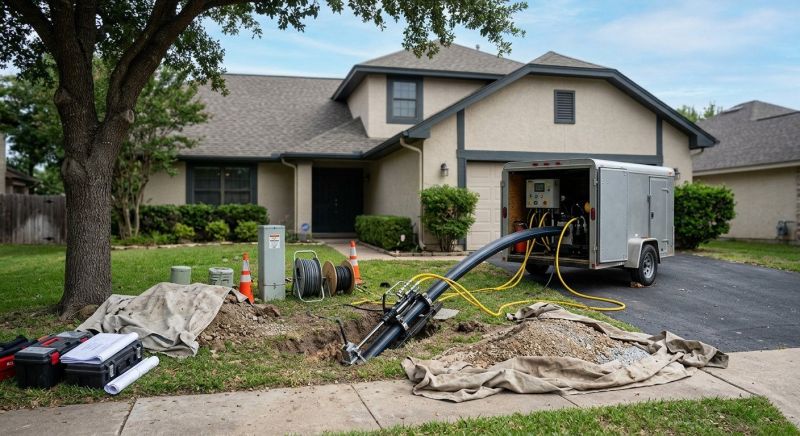
Common Repair Solutions
Repairs can include pipe lining, replacement of damaged sections, or clearing blockages to restore proper flow.
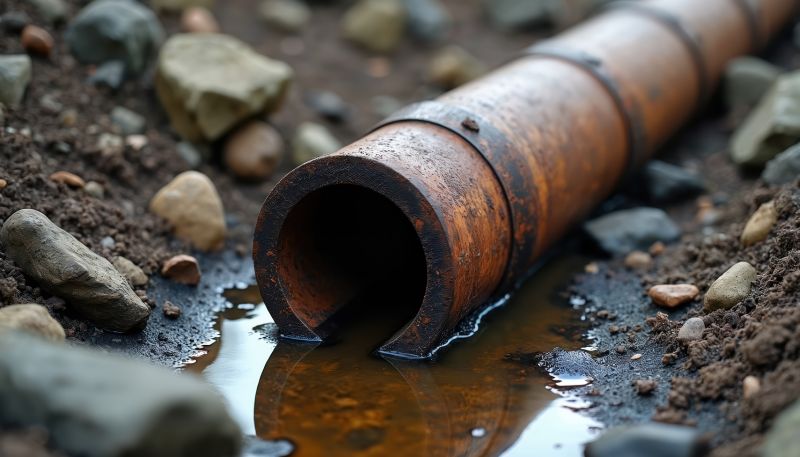
Preventative Maintenance
Regular inspections and timely repairs help prevent costly sewer failures and protect property value in naperville homes.
Sewer Repair in Naperville, IL

Sewer repair services involve diagnosing and fixing issues within a property's underground sewer system. These projects typically include addressing broken or cracked pipes, blockages caused by tree roots or debris, leaks, and pipe collapses. Properly functioning sewer lines are essential for the safe and efficient removal of wastewater from a home or property. Homeowners often request sewer repairs when experiencing slow drains, foul odors, backups, or visible signs of damage to sewer access points.
Before requesting sewer repair services, property owners should understand the scope of the problem, including its location and severity. It’s helpful to know if the issue is isolated to a specific drain or affects the entire sewer line. Additionally, understanding the types of repair options available-such as pipe lining, replacement, or excavation-can aid in making informed decisions. Clear communication of the symptoms and any recent changes in plumbing performance will assist in determining the most appropriate solution for the property’s needs.
Many property owners in Naperville, IL look into Sewer Repair for repairs, replacements, upgrades, and appearance-related improvements.
Common Sewer Repair Jobs
Sewer Line Replacement - replaces damaged or broken sewer lines to restore proper flow.
Sewer Leak Repair - addresses leaks that can cause property damage and foul odors.
Drain Line Repair - fixes cracked or collapsed drain pipes to prevent backups.
Root Intrusion Removal - clears roots that invade and obstruct sewer lines.
Sewer Inspection Services - uses video cameras to identify issues inside sewer pipes.
Sewer Line Cleaning - clears clogs and buildup to keep sewer systems functioning smoothly.
Sewer Repair Questions
What are common signs of sewer problems? Signs include persistent odors, slow drains, gurgling sounds, or sewage backups in the property.
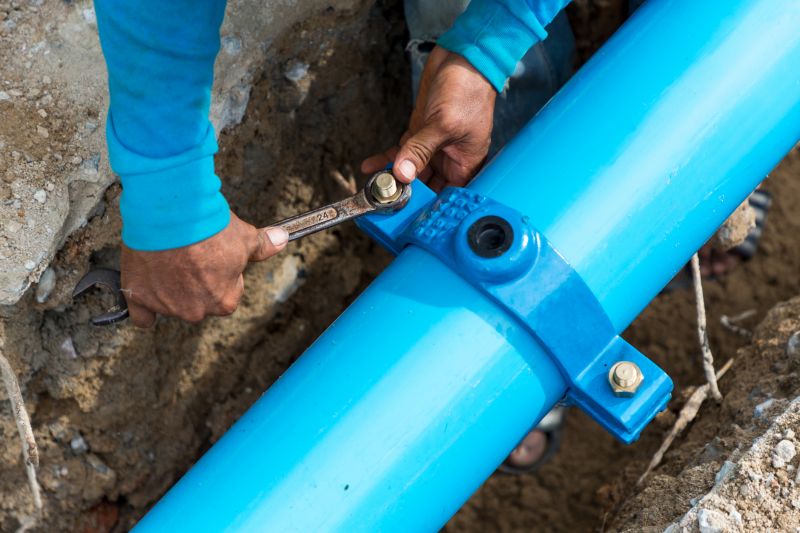
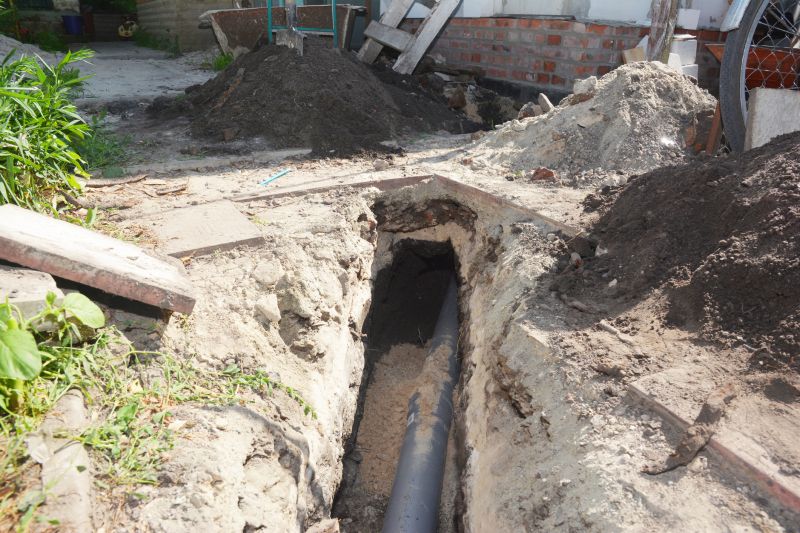
How are sewer repairs typically performed? Repairs may involve locating the issue, excavating the affected area, and replacing or repairing damaged pipes.
Can sewer repairs be done without extensive digging? Yes, trenchless methods allow for repairs with minimal surface disruption in many cases.
What types of sewer issues require professional attention? Problems like severe blockages, broken pipes, or root intrusion usually need expert diagnosis and repair.
Request Sewer Repair in Naperville, IL
Use the quote form on this page to share the basics of your project and request more information for the type of work you need.