
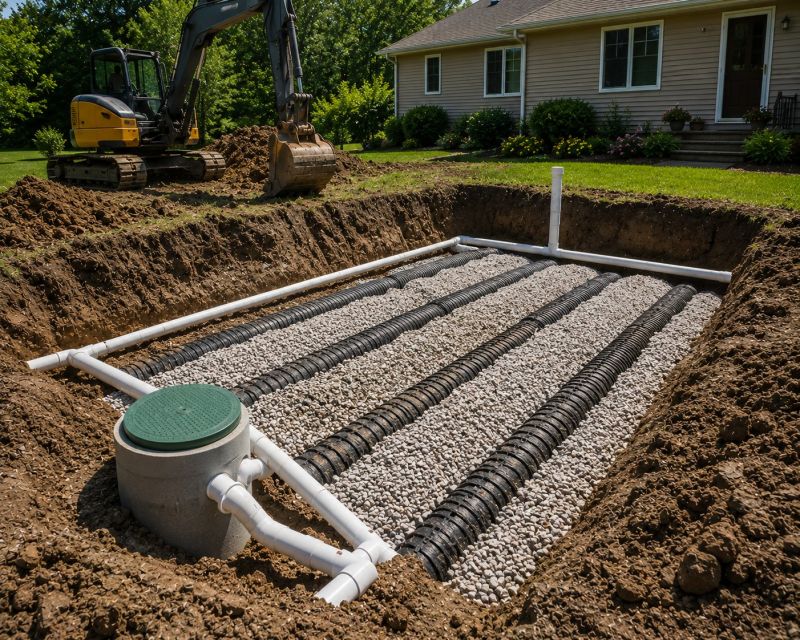
Sewage Field Installation in Denver, CO
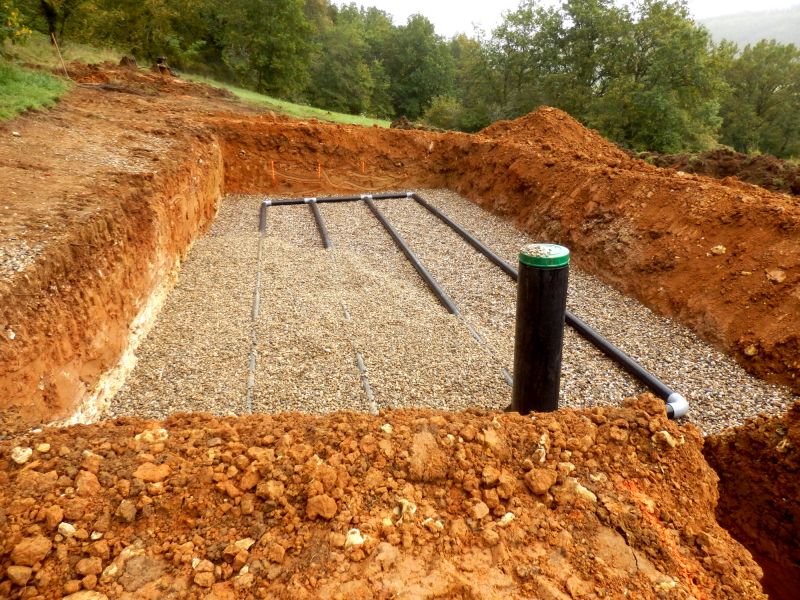
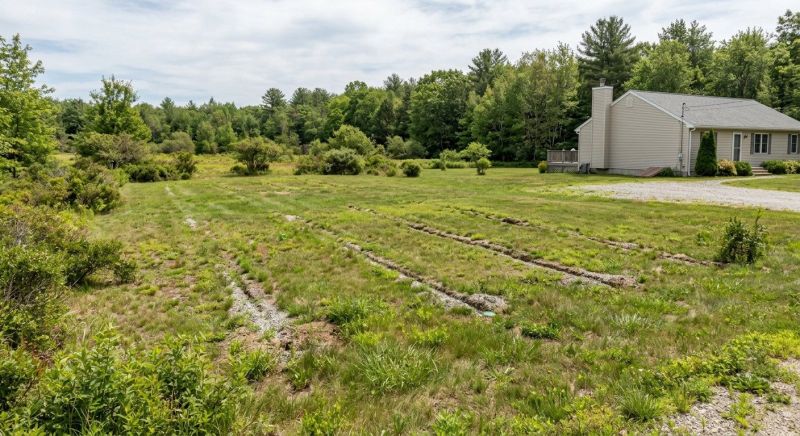
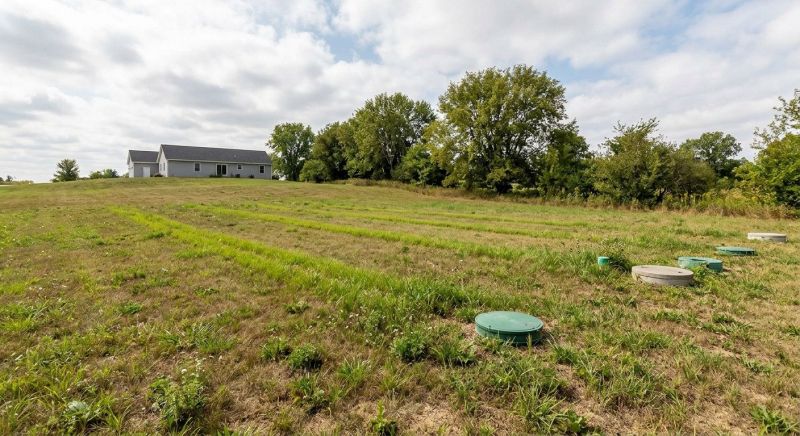
Sewage field installation services involve setting up underground systems that manage wastewater from residential properties. These systems typically include septic tanks and drain fields designed to safely treat and disperse sewage on-site. Projects may range from installing new systems for newly built homes to replacing or upgrading existing fields that no longer function properly. Property owners often seek this service when constructing a new home, experiencing drainage issues, or planning to expand their property’s wastewater capacity.
Before requesting sewage field installation, property owners usually want to understand the size and layout of their land, local regulations regarding septic systems, and the suitability of their soil conditions for on-site wastewater treatment. It’s also helpful to consider the capacity needed based on household size and future growth plans. Proper planning ensures the system functions effectively and remains compliant with local codes, providing a reliable solution for wastewater management.
Many property owners in Denver, CO look into Sewage Field Installation for repairs, replacements, upgrades, and appearance-related improvements.
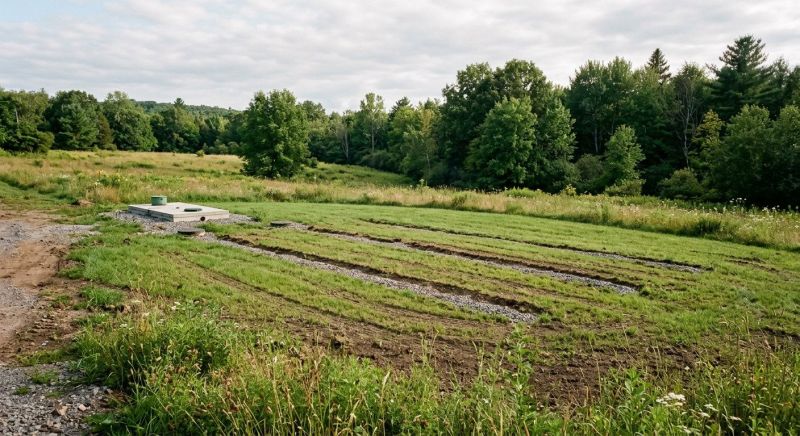
Sewage Field Design And Planning
Proper planning ensures effective sewage disposal tailored to your property’s layout.
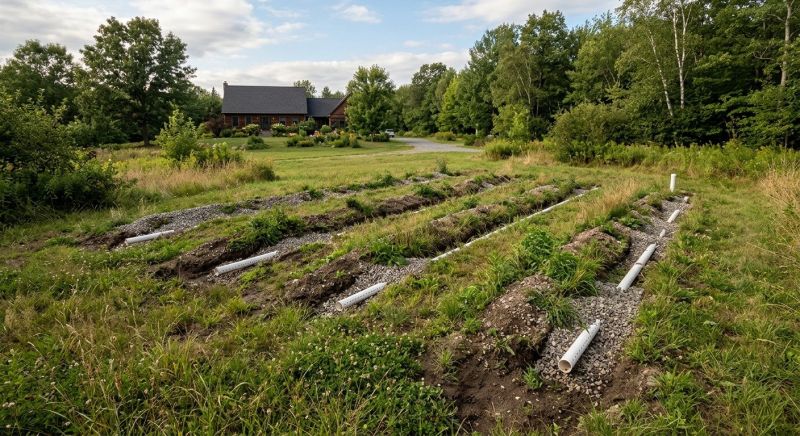
Sewage Field Installation Techniques
Advanced installation methods help optimize system performance and longevity.
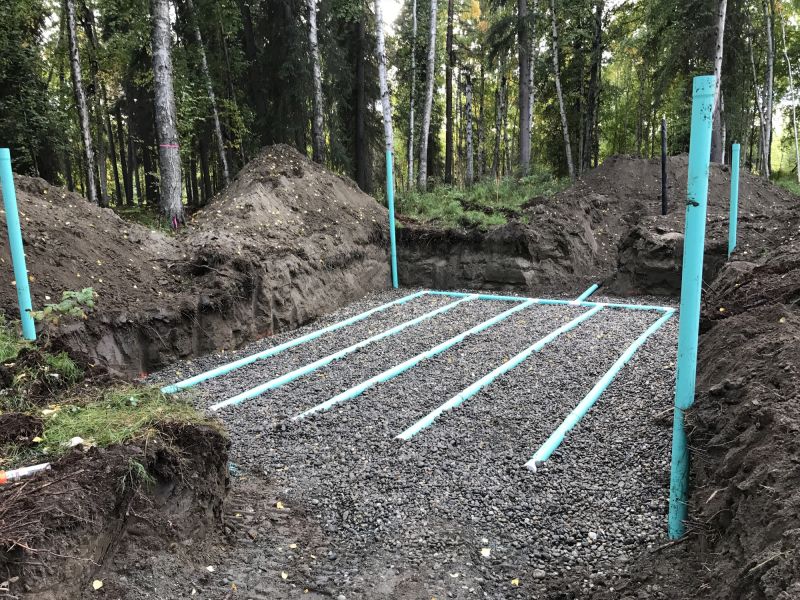
Maintenance And System Inspection
Regular inspections can prevent issues and extend the lifespan of your sewage field.
Sewage Field Installation in Denver, CO

Sewage field installation services involve setting up underground systems that manage wastewater from residential properties. These systems typically include septic tanks and drain fields designed to safely treat and disperse sewage on-site. Projects may range from installing new systems for newly built homes to replacing or upgrading existing fields that no longer function properly. Property owners often seek this service when constructing a new home, experiencing drainage issues, or planning to expand their property’s wastewater capacity.
Before requesting sewage field installation, property owners usually want to understand the size and layout of their land, local regulations regarding septic systems, and the suitability of their soil conditions for on-site wastewater treatment. It’s also helpful to consider the capacity needed based on household size and future growth plans. Proper planning ensures the system functions effectively and remains compliant with local codes, providing a reliable solution for wastewater management.
Many property owners in Denver, CO look into Sewage Field Installation for repairs, replacements, upgrades, and appearance-related improvements.
Common Sewage Field Installation Jobs
Sewage Field Installation - Installing new sewage fields for proper wastewater dispersal.
Septic System Installation - Setting up septic systems tailored to property needs.
Sewage Drain Field Replacement - Replacing aging or failing drain fields to prevent backups.
Drain Field Repair - Repairing damaged sewage fields to restore functionality.
Septic System Design - Planning sewage systems that meet property and local requirements.
Sewage System Upgrades - Updating existing systems to improve efficiency and compliance.
Sewage Field Installation Questions
What is sewage field installation? It involves setting up a drainage system to safely dispose of wastewater from a property.
What types of properties need sewage field installation? Residential homes, commercial buildings, and other properties that require proper wastewater management.
How is a sewage field installed? The process includes excavating the area, laying drainage pipes, and covering them with soil to ensure proper drainage.
Why is proper sewage field installation important? It helps prevent groundwater contamination and ensures wastewater is safely dispersed away from the property.
Request Sewage Field Installation in Denver, CO
Use the quote form on this page to share the basics of your project and request more information for the type of work you need.